
Look, I get it. You walk into your dining room and feel like something’s missing, but you can’t quite put your finger on what.
Maybe it’s the random collection of chairs that somehow ended up around your table, or perhaps it’s that bland wall staring back at you like it’s judging your life choices.
Trust me, I’ve been there – standing in my own dining space wondering why it feels more like a cafeteria than the warm, inviting room I see on Pinterest.
Here’s the thing: your dining room doesn’t need a complete overhaul to become the kind of space that makes your guests linger over dessert and actually want to put their phones down.
Sometimes it just needs the right direction and a few thoughtful touches that speak to your personality.
Modern Minimalist Dining Room Decor

You know that feeling when you walk into a space and instantly feel calmer? That’s the magic of modern minimalism, and honestly, it’s become my go-to recommendation for anyone who feels overwhelmed by clutter.
The beauty of minimalist design lies in its “less is more” philosophy. We’re talking clean lines, neutral color palettes, and furniture that serves a purpose without screaming for attention.
I learned this the hard way after years of collecting dining room “essentials” that just made my space feel chaotic.
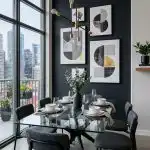
Start with a sleek dining table – think natural wood with simple, geometric lines or a crisp white surface that practically glows under good lighting. Pair it with chairs that have clean silhouettes. No ornate carvings or busy patterns here. The goal is to create visual breathing room.
Color schemes should stick to whites, grays, and natural wood tones. Maybe throw in one accent color if you’re feeling rebellious, but keep it subtle. A single piece of modern art or a simple pendant light can serve as your statement piece without overwhelming the space.
The trick with minimalist dining rooms? Every item needs to earn its place. That decorative bowl your aunt gave you? Unless it brings you genuine joy or serves a function, it might be time to find it a new home.
Farmhouse Dining Room Decor

Now, if minimalism feels too sterile for your taste, farmhouse style might be your soulmate. There’s something deeply comforting about farmhouse decor that makes you want to bake bread and invite the neighbors over for Sunday dinner.
Reclaimed wood is the star of this show. I’m talking about dining tables that look like they’ve weathered a few storms and have stories to tell. The imperfections aren’t flaws – they’re character marks that give your space authenticity.
Mason jars aren’t just for Pinterest boards; they actually work beautifully as simple centerpieces filled with fresh flowers or herbs from your garden. Throw in some vintage-inspired lighting fixtures – think wrought iron chandeliers or pendant lights that look like they belong in a converted barn.
Shiplap walls have become almost synonymous with farmhouse style, and for good reason. They add texture and visual interest without being overwhelming. If full shiplap feels like too much commitment, try an accent wall behind a rustic buffet or credenza.
The color palette here embraces warm whites, sage greens, and weathered blues. These aren’t the stark whites of minimalism – we’re going for colors that feel lived-in and loved.
Small Space Dining Room Decor

Let me guess – your dining room doubles as your office, homework station, and probably where you fold laundry? Welcome to real life, where space is precious and every square foot needs to work overtime.
Multi-functional furniture becomes your best friend in small spaces. Consider a dining table with built-in storage or extendable leaves for when company comes over. I’ve seen some brilliant examples where people use ottomans instead of traditional chairs – they slide completely under the table when not in use and provide extra storage.
Vertical space is your secret weapon. Instead of crowding your limited floor space, think upward. Floating shelves can display dishes while keeping them accessible. A tall, narrow cabinet takes up minimal floor space but provides maximum storage.
Light colors and mirrors are classic small-space tricks that actually work. Light reflects and bounces around, making your space feel larger than its actual dimensions. A strategically placed mirror can double the visual space of your dining area.
Here’s a pro tip that changed everything for me: define your dining zone even in an open floor plan. A distinctive light fixture or area rug can create the illusion of a separate dining room without walls.
Luxury Dining Room Decor

Sometimes you want to feel fancy in your own home, and there’s absolutely nothing wrong with that. Luxury dining room decor isn’t about showing off – it’s about creating an experience that makes ordinary Tuesday dinners feel special.
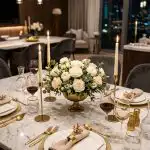
Rich materials set the tone here. We’re talking marble tabletops, velvet upholstered chairs, and maybe some gold or brass accents that catch the light just right. The key is layering these elements thoughtfully rather than throwing everything expensive into one room.
Statement lighting can transform your entire space. A crystal chandelier might sound over-the-top, but the right one can make your dining room feel like you’re dining at a five-star restaurant. Just make sure it’s proportioned correctly – too small and it looks lost, too large and it overwhelms the space.
Artwork plays a huge role in luxury spaces. One large, impressive piece often works better than a gallery wall. Think about what speaks to you personally rather than what you think looks expensive.
Don’t forget about texture and layering. Luxury feels tactile – plush rugs underfoot, smooth marble surfaces, soft upholstery that invites you to linger over conversation.
Rustic Dining Room Decor

Rustic decor tells a story, and honestly, it’s one of my favorite styles because it feels so authentically welcoming. This isn’t about making your dining room look like a cabin (unless that’s your thing), but rather embracing natural materials and a slightly weathered aesthetic.
Natural wood elements form the foundation. Think exposed beams, a solid wood dining table that shows its grain, or even reclaimed barn doors repurposed as wall art. The wood doesn’t need to be perfect – those knots and variations add character.
Stone and metal accents complement the wood beautifully. A stone accent wall or metal light fixtures with an aged patina can add visual interest without competing with your wooden elements.
Earthy color palettes work best here – warm browns, deep greens, rust oranges, and cream tones. These colors feel grounded and natural, like they belong in a space surrounded by trees.
Rustic doesn’t mean rough around the edges, though. You can have refined rustic elements like a beautifully crafted wooden table paired with elegant lighting and comfortable upholstered chairs.
Boho Chic Dining Room Decor

Boho chic is for the free spirits who want their dining room to feel like a collected treasure trove from travels around the world. It’s eclectic, it’s personal, and it definitely doesn’t follow traditional decorating rules – which is exactly why it works.
Mix and match is the name of the game here. Different chair styles around one table? Perfect. Vintage rug layered over a newer one? Even better. The goal is creating a space that feels curated over time rather than purchased all at once.
Rich textures and patterns are essential. Think macrame wall hangings, woven placemats, embroidered throw pillows, and rugs with intricate designs. The key is balancing all these elements so they complement rather than compete with each other.
Plants, plants, and more plants bring life and natural beauty to boho spaces. Hanging planters, floor plants, and even herbs growing on your windowsill all contribute to that relaxed, organic feel.
Warm lighting creates the perfect ambiance. String lights, lanterns, or pendant lights with warm bulbs make everything feel cozy and inviting. Harsh overhead lighting is the enemy of boho vibes 🙂
Also Read: 10 Cozy Farmhouse Bedroom Decor Dreamy Rustic Ideas – Airlucent
Scandinavian Dining Room Decor

Scandinavian design has mastered the art of being both minimalist and cozy – something I thought was impossible until I experienced it firsthand. It’s like minimalism’s warmer, more approachable cousin.
Light wood tones dominate Scandinavian spaces, particularly blonde woods like birch, pine, or light oak. These woods feel fresh and airy rather than heavy or dark. Your dining table and chairs should embrace these natural tones.
White and light neutral walls maximize the limited natural light that Scandinavian countries receive during winter months. But this isn’t stark white – we’re talking about warm whites and soft grays that feel welcoming.
Functional beauty guides every design choice. A beautiful wooden bowl might hold fruit, but it’s also a decorative element. Simple ceramic dishes aren’t just for serving – they become part of your decor when displayed on open shelving.
Cozy textiles add warmth without clutter. Think simple linen table runners, sheepskin throws draped over chairs, or a soft area rug that defines your dining space.
Black and White Dining Room Decor

Black and white might sound dramatic, but when done right, it’s timelessly elegant and surprisingly versatile. Plus, you never have to worry about whether your accessories “match” – they either work with the scheme or they don’t.
High contrast creates visual impact without color. A white dining table with black chairs, or vice versa, immediately creates a focal point. Black and white striped rugs or geometric patterns add interest without introducing color complications.
Mixing textures becomes even more important when you’re working with a limited color palette. Glossy surfaces, matte finishes, rough textures, and smooth ones all take on greater significance when color isn’t doing the heavy lifting.
Strategic use of patterns can prevent black and white from feeling flat. Geometric patterns, stripes, or even floral designs in black and white can add personality while maintaining the cohesive color scheme.
The beauty of this approach? You can always add color later through flowers, artwork, or seasonal decorations, and it will always look intentional.
Coastal Dining Room Decor

Coastal decor isn’t just for beachfront properties – it’s about capturing that relaxed, breezy feeling that makes you want to kick off your shoes and stay awhile. I’ve seen landlocked homes nail this aesthetic perfectly.
Light, airy colors form the foundation. Think soft blues, sandy beiges, crisp whites, and weathered grays. These colors should feel soft and organic rather than bright and artificial.
Natural materials like weathered wood, jute, and linen bring authenticity to coastal spaces. A reclaimed wood dining table paired with linen-upholstered chairs immediately establishes that relaxed coastal vibe.
Nautical elements should be subtle rather than themed. A rope-wrapped pendant light or driftwood wall art works better than anchor everything and navy stripes everywhere. The goal is sophistication with coastal inspiration, not a maritime museum.
Natural light is crucial for coastal style. If you don’t have great natural light, prioritize lighting that mimics sunlight and avoid heavy window treatments that block what light you do have.
Also Read: 10 Feminine Bedroom Decor Ideas for Women With Timeless Appeal – Airlucent
Vintage-Inspired Dining Room Decor

Vintage-inspired doesn’t mean your dining room should look like it’s stuck in a time warp. Instead, it’s about incorporating classic elements that have stood the test of time with a fresh, modern perspective.
Mix old with new for the most successful vintage-inspired spaces. An antique dining table paired with modern chairs, or contemporary lighting over a vintage buffet creates visual interest and prevents the space from feeling like a museum display.
Rich, saturated colors often characterize vintage-inspired spaces. Deep emerald greens, burgundy, navy blue, or warm mustard yellow can serve as accent colors against neutral backgrounds.
Statement pieces with history add authenticity. Whether it’s a genuine antique chandelier, a vintage rug, or repurposed furniture with character, these pieces should feel intentional rather than random.
Quality over quantity guides vintage-inspired decorating. FYI, one beautiful antique piece often has more impact than several mediocre vintage accessories scattered around the room.
Creating a dining room you love doesn’t require a massive budget or a complete renovation. Sometimes it just takes understanding what style speaks to you and implementing those elements thoughtfully.
Whether you’re drawn to the clean lines of minimalism, the warmth of farmhouse style, or the eclectic charm of boho chic, the key is making choices that reflect your personality and lifestyle.
Remember, your dining room should work for your real life, not just look good in photos. The best dining room is one where you actually want to spend time, whether that’s sharing weeknight dinners with family or hosting friends for weekend gatherings.
Pick elements from these styles that resonate with you, and don’t be afraid to mix and match until you create something uniquely yours.